It is 7:40 on a school morning. Your son has been dressed for twenty minutes, but the tag in his shirt is suddenly unbearable, and now he is on the floor in the hallway and the bus is turning the corner. Or your daughter held it together all day at school, smiled for her teachers, and came home and fell apart for three hours. Or your nineteen-year-old graduated in June, and since then the days have gone quiet in a way that worries you more than any meltdown ever did.
If any of that sounds familiar, you are not alone, and you are not doing it wrong. Families across Chicago's south suburbs, from Chicago Heights to Orland Park, are raising autistic, ADHD, and otherwise neurodivergent kids in a system that was not built with them in mind. This guide walks you through what behavioral health care can do for your child, what good care looks like, how to pay for it in Illinois, and how to find the right fit close to home.

What Behavioral Health Care Means for a Neurodivergent Child
Behavioral health care is the part of your child's support that tends to their emotional life: anxiety, overwhelm, mood, self-esteem, relationships, and the daily skills that depend on feeling steady enough to use them. It is different from occupational therapy, speech therapy, or applied behavior analysis (ABA), though it often works alongside them.
For neurodivergent kids, this matters more than many families are told. Autistic and ADHD children experience anxiety and depression at much higher rates than their peers. A great deal of what gets labeled "behavior" is a nervous system that has been overloaded for too long. When emotional health is addressed, many of the struggles that brought a family to us start to soften, because the child finally has room to learn.
That is why we say mental health is the foundation of learning. A child who is dysregulated cannot absorb a math lesson. A teen who is drowning in shame cannot start an assignment. A young adult who is overwhelmed cannot walk into a job interview. Calm comes first, and growth follows.
Signs Your Child Could Benefit From Support
Every child is different, and none of these signs alone means something is wrong. But if several show up and keep showing up, it may be time to talk with someone.
- ●Your child melts down or shuts down most days, often after school.
- ●They have stopped wanting to go to school, or complain of stomachaches on school mornings.
- ●They talk about themselves harshly: "I'm stupid," "Nobody likes me," "Something is wrong with me."
- ●Friendships keep falling apart, or they have stopped trying.
- ●Homework turns into a nightly battle, even though they understand the material.
- ●Your teen spends more and more time alone in their room.
- ●Your young adult has finished school and has no clear next step, and both of you feel stuck.

What Neurodiversity-Affirming Care Looks Like
You may have seen the phrase "neurodiversity-affirming" on clinic websites. It means care that treats your child's brain as different, not broken. In practice, it shows up in a few concrete ways.
Regulation comes before demands
A good clinician helps your child feel safe and calm first, then works on skills.
Self-advocacy, not compliance
Success looks like a child who can say what they need, not a child who has learned to hide it.
All communication counts
Spoken words, typing, AAC devices, scripting, and gestures are treated as real communication.
Harmless differences are left alone
Stimming, avoiding eye contact, and deep special interests are not targets to eliminate. They often help a child cope.
Parents are partners
You know your child better than anyone, and that knowledge shapes the plan.
The simplest test is this: after sessions, does your child seem more like themselves, or more tired? Affirming care should leave them steadier, not more worn down from pretending.
The Kinds of Support Available in the South Suburbs
Behavioral health for neurodivergent kids is not one thing. The right mix depends on your child's age, needs, and what is hardest right now. Here is what each type of support does.
Individual Therapy
One-on-one sessions with a licensed therapist help children, teens, and young adults work through anxiety, low mood, shutdowns, and the exhaustion that comes from trying to fit in. Good therapy for neurodivergent kids follows the child's lead. Sessions might involve talking, drawing, walking, gaming, or replaying a hard moment from the week. Your child does not need to be verbal for therapy to help. See our autism therapy for children.
ADHD and Executive Functioning Coaching
Executive functions are the brain's management skills: starting tasks, planning, keeping track of time, and switching gears. They are a common struggle for both ADHD and autistic kids, and intelligence does not protect against it. Coaching builds practical systems that fit how your child thinks, such as visual schedules, phone reminders, and routines for the hardest parts of the day, then practices them until they stick. Learn about our ADHD counseling.
Social Skills Groups
Many kids want friends and find the process confusing or draining. Small, clinician-led groups give them a safe place to practice with peers who understand. The best groups do not teach kids to perform being typical. They teach real connection: finding shared interests, saying what you need, and repairing a misunderstanding. Explore our social skills groups.

Case Management
Waitlists, applications, insurance rules, and providers who never talk to each other can wear any parent down. A case manager helps you find and coordinate the services your child qualifies for, from Medicaid enrollment to psychiatry referrals to school meetings.
Parent and Family Coaching
When home feels like a battlefield, everyone suffers. Parent coaching gives you practical strategies for meltdowns, transitions, school refusal, and sibling stress, without judgment. You leave each session with one or two things to try that week. See our family counseling.
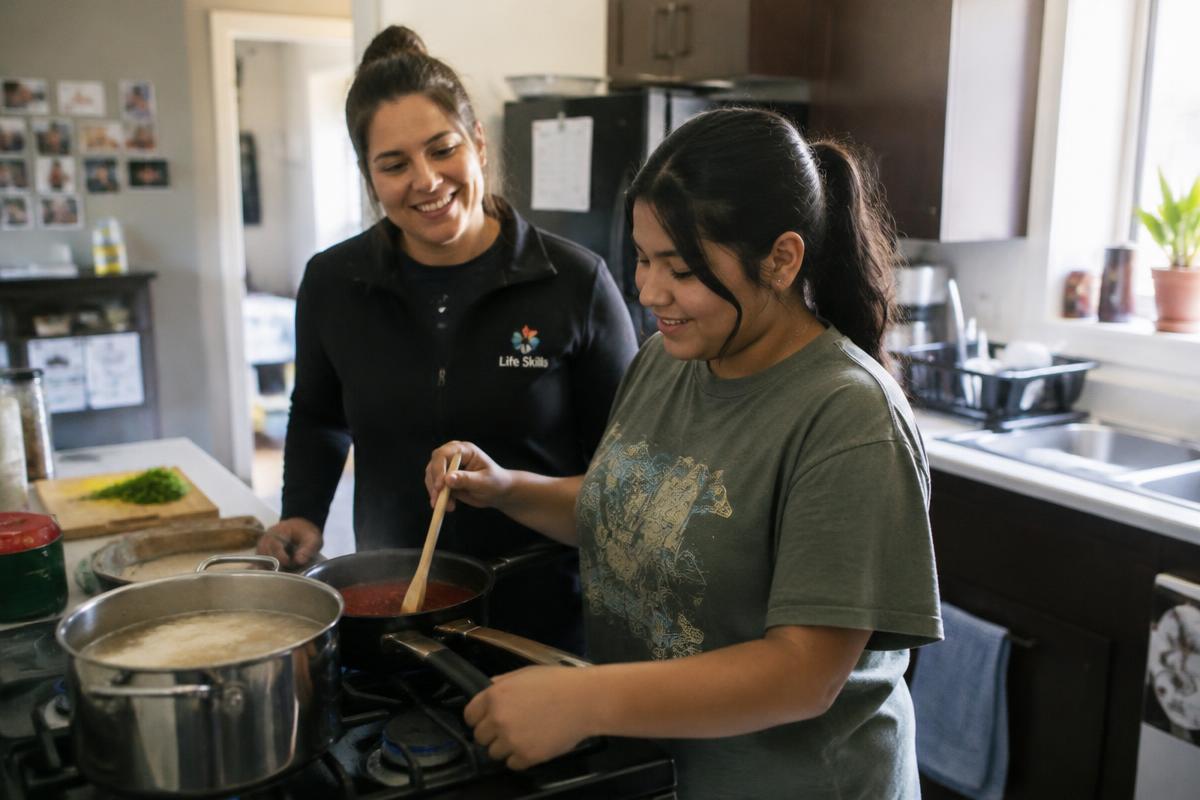
Life Skills Coaching
Cooking a meal, managing a bank card, riding the bus, making a phone call, getting through the first weeks of a job. These skills are learned best where they are used, not in an office.
Why Care Beyond the Office Works Better
Here is something many families discover the hard way: a skill learned in a therapist's office often stays in the office. A child can name five calming strategies in a session and still fall apart in the school cafeteria, because the cafeteria is loud and the office was quiet.
That is why DreamWeavers brings care into the places your child actually lives: school, home, and the community. When a coach practices ordering lunch with a teen at a real restaurant, or a therapist helps a student use a regulation strategy during an actual school day, the skill transfers. It becomes theirs.

This approach also brings IEP goals to life. Your child's IEP may include goals for emotional regulation, executive functioning, or independence. Schools carry heavy caseloads, and those goals often get the least time. With your permission, we coordinate with your child's school team so that home, school, and therapy are all pulling in the same direction.
When School Ends: Support for Emerging Adults
For years, school is the hub of a neurodivergent child's support. Then special education ends, at graduation or around age 22 in Illinois, and the hub disappears. Adult services have different rules and long waitlists. Many families describe it as falling off a cliff.
This transition is one of the most overlooked gaps in south suburban care, and it is one of our core specialties. We work with young adults ages 18 to 26 on daily living, work, relationships, and emotional health. Our case managers help families navigate adult programs, including vocational rehabilitation through the Illinois Department of Human Services, and talk through supported decision-making as an alternative to full guardianship.
Paying for Care: Medicaid and Insurance in Illinois
Cost should never be the reason a child goes without help. Illinois Medicaid covers medically necessary mental health services for children and youth under 21, which can include assessment, individual and family therapy, group therapy, case management, and community support services. What applies to your child depends on their needs and their plan.
Many families qualify for Medicaid and do not know it. You can apply through Illinois ABE, the state's Application for Benefits Eligibility. If you are already enrolled, watch for renewal notices so coverage does not lapse in the middle of treatment.
DreamWeavers works with Medicaid-eligible families and verifies coverage before your first visit, so you know exactly where you stand.
How to Choose the Right Provider in the South Suburbs
The right fit matters more than the closest office. When you call any provider, including us, these questions will tell you a lot.
- 1
"How do you describe your approach with neurodivergent kids?"
Listen for words like regulation, strengths, and self-advocacy. Be cautious if the answer centers on compliance or making behaviors disappear.
- 2
"What will my child's goals be, and who sets them?"
Your child's own goals, and yours, should be part of the plan.
- 3
"Do you work with schools?"
Coordination with the IEP or 504 team multiplies progress.
- 4
"Where do sessions happen?"
Office-only care can work, but skills transfer better when practice happens in real settings.
- 5
"Do you take my insurance or Medicaid plan, and what will I pay?"
A good provider answers this plainly before you schedule.
- 6
"How long is the wait?"
Ask for an honest timeline and whether they can help in the meantime.
- 7
"What happens if it isn't a good fit?"
The best providers will tell you honestly and help you find someone who is.
Communities We Serve
DreamWeavers serves families across south Cook and northern Will counties, bringing care to schools, homes, and community spaces. We work with families in:
If your town is not listed, reach out anyway. We may still be able to help, and if we cannot, we will point you to someone who can. See all the areas we serve.
Frequently Asked Questions
→Does my child need a diagnosis to get help?
No. Anxiety, meltdowns, school struggles, and social stress can all be addressed while you wait for an evaluation or decide whether to pursue one. Some insurance plans require a diagnosis for certain services, and we will tell you if yours does.
→Is behavioral health therapy the same as ABA?
No. ABA is a behavior-focused approach that often runs many hours a week. Behavioral health therapy focuses on your child's emotional health, regulation, and self-understanding, usually a few hours a week or less. Some families use both, and some choose one. DreamWeavers provides affirming mental health care, not ABA.
→Do you diagnose autism or ADHD?
DreamWeavers does not provide diagnostic testing. Our case managers can help you find a qualified evaluator and support your family in the meantime.
→What ages do you work with?
We work with school-age children, teens, and young adults up to age 26, along with their parents and caregivers.
→Does Medicaid cover therapy for neurodivergent children in Illinois?
Illinois Medicaid covers medically necessary mental health services for youth under 21, including therapy and case management. Coverage details depend on your plan, and we verify benefits before your first session.
→Can my young adult contact you without me?
Yes. Adults 18 and older can reach out on their own, and many prefer to.
→What happens on the first call?
A member of our team listens to what is going on, answers your questions, checks your coverage, and explains what support could look like. There is no cost and no pressure.
About the Author
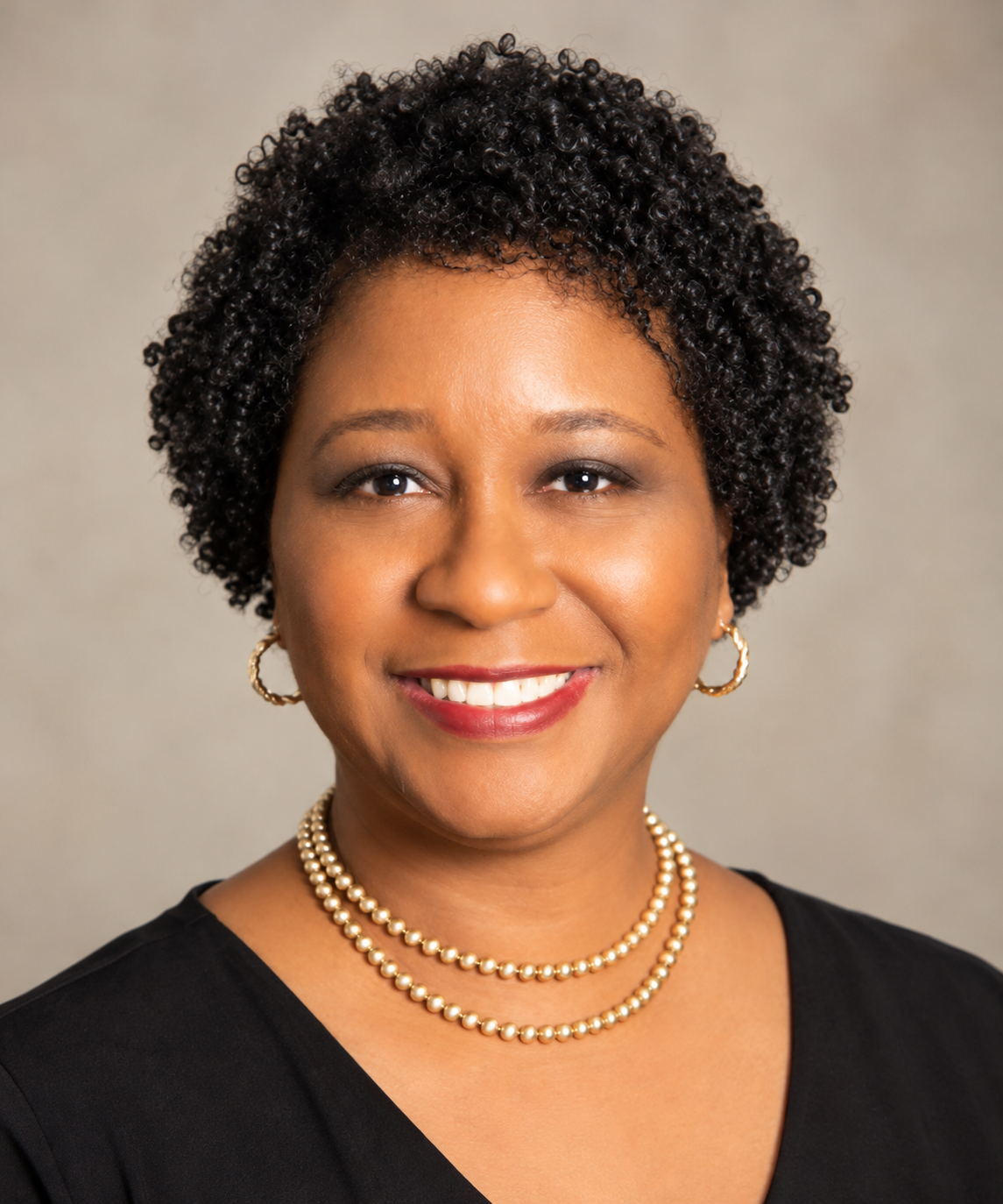
Dr. Camille Byrd O'Quin, Ed.D., CCC-SLP
Lead Practitioner, DreamWeavers
Dr. Camille Byrd O'Quin is an experienced educator and speech-language pathologist whose work centers on communication, inclusion, and culturally responsive support. With extensive experience across education and clinical practice, she is committed to helping individuals and families feel understood, build on their strengths, and access meaningful support.
As Lead Practitioner at DreamWeavers, she brings a thoughtful, relationship-centered perspective to care and collaboration.
You Don't Have to Figure This Out Alone
Raising a neurodivergent child takes more energy than most people will ever see. You have been carrying a lot. Support exists here in the south suburbs, and it does not have to mean a long drive, a long wait, or asking your child to become someone they are not.
DreamWeavers offers care that is integrated, compassionate, and designed for real life, not separate from it. Share your contact information and we will reach out to you.
Request a Free Family CallOr call +1 708-798-4200. If your child is in crisis, call or text 988 any time.